

THE BOUNCE BACK CIRCUS
Big Lessons.
Even Bigger Comebacks.
Resources for educators to bring resilience, social-emotional learning, and a little circus magic into the classroom.
The show may end after 45 minutes, but the learning doesn't have to.
Download the full STUDY GUIDE here:
Laughter With a Little Learning Along the Way
What can juggling, magic, and a few spectacular mistakes teach us about growing up?
Quite a lot, actually.
The Bounce Back Circus is a 45-minute interactive school assembly that brings social-emotional learning (SEL) to life through circus arts, comedy, and audience participation.
Throughout the performance, students watch things go right, go wrong, and occasionally go wonderfully wrong. Along the way, they explore the importance of perseverance, emotional regulation, positive thinking, and knowing when to lean on others.
Rather than simply telling students how to handle challenges, the show gives them opportunities to see these skills in action.
And because resilience isn't something we learn once and master forever, we've put together resources to help educators keep the conversation going long after the final bow.
Circus Meets Social-Emotional Learning
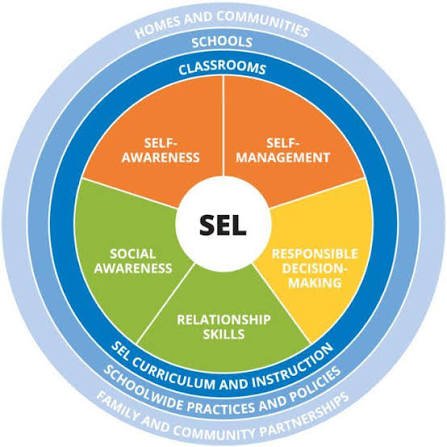
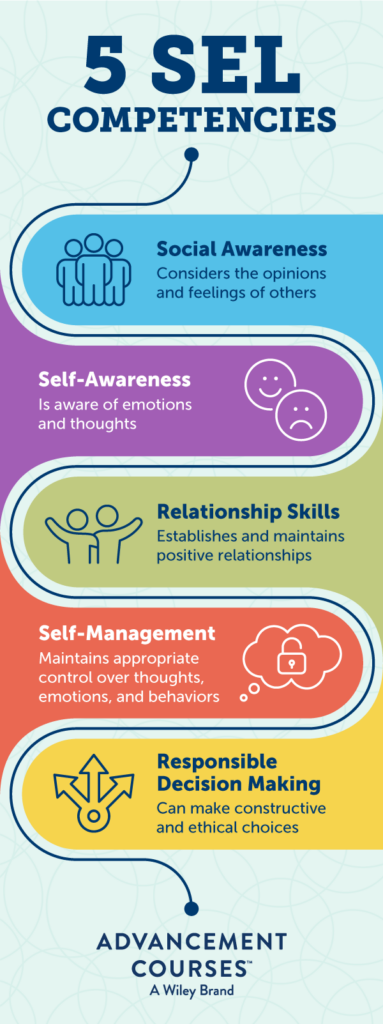
The Bounce Back Circus complements the five core Social-Emotional Learning (SEL) competencies identified by the Collaborative for Academic, Social, and Emotional Learning (CASEL).
Through interactive performance, students explore how their thoughts, emotions, relationships, and decisions shape the way they respond to challenges.
Self-Awareness
Recognizing our emotions, strengths, and areas for growth. Students see how frustration, confidence, and self-doubt can influence our willingness to try something new.
Self-Management
Learning to regulate emotions, manage stress, and work toward goals. Whether taking a deep breath or breaking a complicated trick into smaller steps, the show demonstrates practical strategies for handling challenges.
Social Awareness
Recognizing the experiences and perspectives of others. Through shared laughter and audience participation, students explore empathy, encouragement, and why everyone deserves room to learn.
Relationship Skills
Building positive relationships, communicating clearly, and offering support. Students discover the importance of having people who encourage us and knowing how to ask others for help.
Responsible Decision-Making
Making thoughtful choices, evaluating situations, and considering consequences. Through circus challenges, students see how preparation, problem-solving, and recognizing when assistance is needed can lead to better outcomes.
The Science Behind the Circus
Social-emotional learning is more than an educational buzzword. Research has found that well-designed, sustained SEL programs can improve students' social-emotional skills, behavior, and academic outcomes.
270,000+
Students studied
Across 213 school-based SEL studies in a major 2011 meta-analysis.
11
Percentile-point gain
Average academic achievement improvement for SEL participants compared with controls.
These figures come from a landmark 2011 meta-analysis by Durlak and colleagues. They describe outcomes of structured SEL programs.


The Bounce Back Circus
Educator Study Guide
A Show of Resilience
Recommended Grades: Elementary & Middle School
Performance Length: 45 minutes
Program Format: Interactive school assembly featuring juggling, magic, physical comedy, storytelling, and audience participation.
About the Performance
What happens when things don't go as planned?
Sometimes, things go wonderfully wrong.
The Bounce Back Circus uses the unpredictable world of circus performance to explore resilience, perseverance, emotional regulation, and the importance of supportive relationships.
Throughout the show, performer Andrew Silver demonstrates that even experienced professionals make mistakes, encounter obstacles, and need help along the way.
Through laughter, participation, and reflection, students discover that making mistakes doesn't mean they've failed. It means they've found an opportunity to learn something new.
Learning Objectives
Following the performance and classroom discussions, students will have opportunities to:
Recognize that mistakes are a normal part of learning.
Identify strategies for managing frustration and setbacks.
Practice breaking large challenges into smaller steps.
Distinguish between emotional support and practical assistance.
Explore the importance of constructive self-talk.
Identify situations in which asking for help is beneficial.
Six Strategies for Bouncing Back
Try Again • Break It Down • Ask For Help • Stay Positive • Take Deep Breaths